
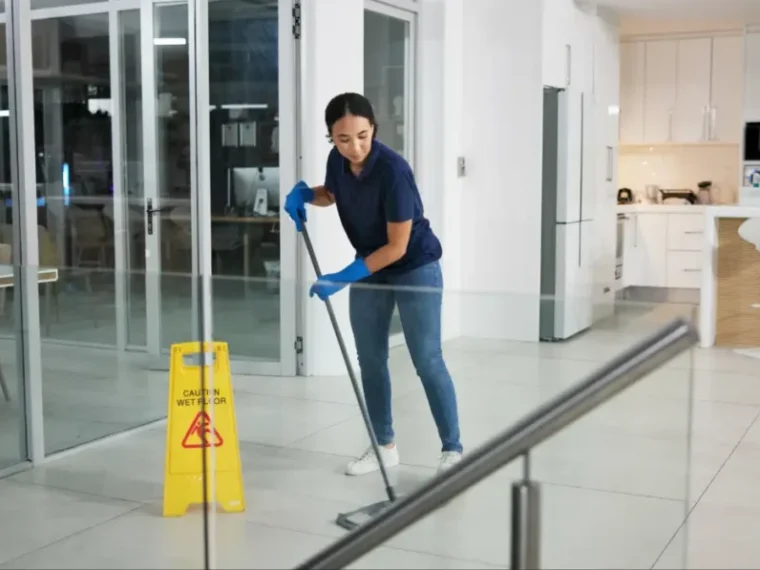
A good cleaning crew quietly stops that from happening. They do it in phases too, not just a quick sweep at the end. Before, during, and after. Different jobs, different pace, same goal. Keep the venue usable, safe, and still looking like someone is in control.
What happens before the function starts?
Before guests arrive, cleaners are basically doing a reset. Even if the venue was cleaned the night before, setup work often brings dust back in. Deliveries, staging, florals, catering trays, people walking in and out. It adds up.
Effective event cleaning starts with a detailed walkthrough of the venue to identify areas that are likely to experience the most activity and mess. Teams typically focus on entrances, bathrooms, dining spaces, bars, and entertainment zones where guests naturally gather. To find out more about professional event cleaning services, visit: https://matthewscleaningco.com.au/service/event-venue-cleaning/
Typical pre event tasks include:
- Sweeping and mopping hard floors, quick polish if required
- Vacuuming carpeted areas, especially edges and under seating zones
- Wiping tables, ledges, railings, and other touch points
- Cleaning and restocking bathrooms fully
- Lining bins and positioning extra bins where they make sense
- Spot cleaning glass, mirrors, doors, and signage areas
- A final check right before doors open, because something always gets marked
They also coordinate quietly with venue staff and organisers so nobody is working against each other. If the schedule is tight, they move fast. If it is a high end event, they move carefully. Different vibe, same discipline.
What do cleaners do during the function?
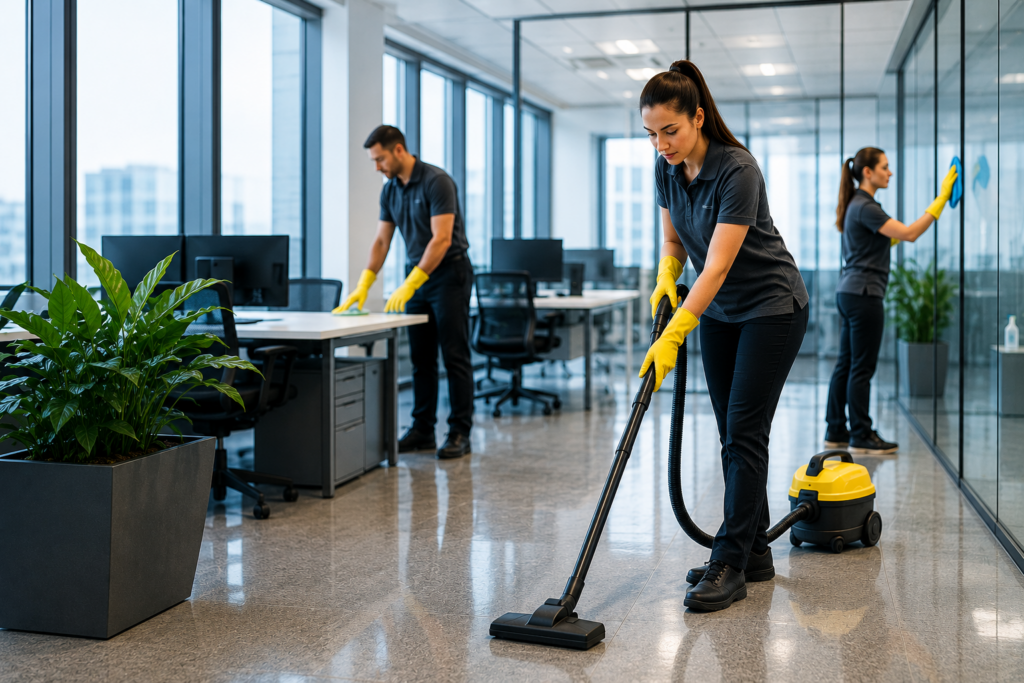
During the event, the work becomes more like maintenance and damage control. But the good kind. The kind guests barely notice.
Cleaners usually stay out of sight as much as possible while still covering the whole space. They keep an eye on bins, bathrooms, and spill risks. If a glass breaks, they handle it quickly. Not later. Immediately. Safety first, and also because nobody wants to step around a wet patch all night.
They are also watching for the slow build up problems. The ones that do not look dramatic but ruin the venue over time. Sticky floors near the bar. Smudged bathroom mirrors. Overflowing sanitary bins. Empty soap dispensers. Food scraps under cocktail tables.
Common during event tasks:
- Continuous bathroom checks, cleaning, restocking, and odour control
- Clearing and relining bins before they overflow
- Spot mopping spills and sticky patches
- Picking up scattered cups, napkins, and debris from high traffic zones
- Keeping entryways tidy, especially if weather brings in dirt or water
- Back of house support, like keeping prep areas from turning into chaos
They also adapt. A schedule might say speeches at 7, dancing at 9. But if the crowd shifts early, the cleaning plan shifts too. It is a live environment. Nothing stays still.
What happens after the function ends?
After the last guest leaves, the real heavy lifting starts. This is when cleaners go from light touch work to deep clean mode. Fast, thorough, and usually under time pressure because venues often need a quick turnaround.
First, they clear the obvious stuff. Tables, floors, leftover decor materials, food waste. Then they move into the detailed areas. Corners, stains, bathrooms, kitchen zones, and anything the venue manager will inspect the next morning.
Post event tasks often include:
- Full rubbish removal and disposal, including recyclables if required
- Deep vacuuming and mopping, including under furniture where possible
- Stain treatment on carpets or upholstery if spills happened
- Bathroom deep cleaning and restocking reset
- Cleaning walls or skirting where scuffs occurred
- Wiping and sanitising touch points, especially after large crowds
- Final walkthrough to make sure nothing was missed
If it is a corporate function, they may also restore the room layout to the venue standard. If it is a wedding, they may handle leftover packing debris and coordinate around hired vendors collecting equipment.
This stage is also where accountability shows. A proper team will not just clean until it looks fine. They clean until it will pass venue standards. There is a difference.
How do they plan staffing and timing?
Staffing is usually based on guest count, venue size, event type, and how messy the function is expected to be. A seated dinner is different from a cocktail party. A kids party is different from a networking event. An outdoor festival is its own beast entirely.
They also plan around access. When can they enter. When do they need to disappear. When can they use lifts or trolleys. Where can they store supplies without being in the way.
Timing matters because cleaning at the wrong moment can degrade the user experience. Nobody wants a loud vacuum during a speech or live activity. Effective operations treat movement planning like a structured schedule with built-in flexibility. This is commonly managed through facility cleaning scheduling and workflow optimisation to minimise disruption while maintaining standards.
What should organisers check before hiring a cleaning service?
Event organisers should look for a team that has done events before, not just general commercial cleaning. Events are unpredictable. The cleaners need to handle pace, people, and pressure. And still keep it discreet.
A few practical checks:
- Do they offer pre, during, and post event coverage, or only one part?
- Can they handle waste removal legally and properly?
- Do they bring their own supplies and equipment?
- Are they insured for public liability?
- Do they understand the venue rules and access requirements?
- Will they assign a supervisor or point of contact on the night?
It also helps when they can explain their process clearly. If they cannot describe what they do during the event, they probably have not done many.
What does good event cleaning look like in real life?
Good event cleaning looks like nothing happened. Or at least, nothing messy stayed messy for long.
Guests should not be thinking about bathrooms, bins, or sticky floors. They should be focused on the function. The hosts should not be stressed about cleanup, because they already know it is handled. And the venue should be able to reset quickly without surprise damage.
For operational assurance frameworks, learn more about church cleaning facility maintenance standards.
That is the whole point. Quiet work, done in phases, that keeps everything running even when the event itself gets loud.
FAQs (Frequently Asked Questions)
What tasks are included in event cleaning services before the function starts?
Before guests arrive, event cleaning teams perform a thorough reset of the venue. This includes sweeping and mopping hard floors, vacuuming carpeted areas especially under seating zones, wiping tables and high-touch surfaces, fully cleaning and restocking bathrooms, lining bins and positioning extra bins strategically, spot cleaning glass and mirrors, and conducting a final check right before doors open to ensure the space is pristine.
How do event cleaners maintain cleanliness during the function without disrupting guests?
During the event, cleaners focus on maintenance and damage control while staying mostly out of sight. They continuously monitor bathrooms for cleanliness and restocking, clear and reline bins before they overflow, promptly spot mop spills or sticky patches, pick up scattered debris in high-traffic areas, keep entryways tidy especially if weather conditions bring in dirt or water, and support back-of-house areas to prevent chaos—all done discreetly to keep the venue safe and usable without disturbing guests.
What does post-event cleaning involve after the function ends?
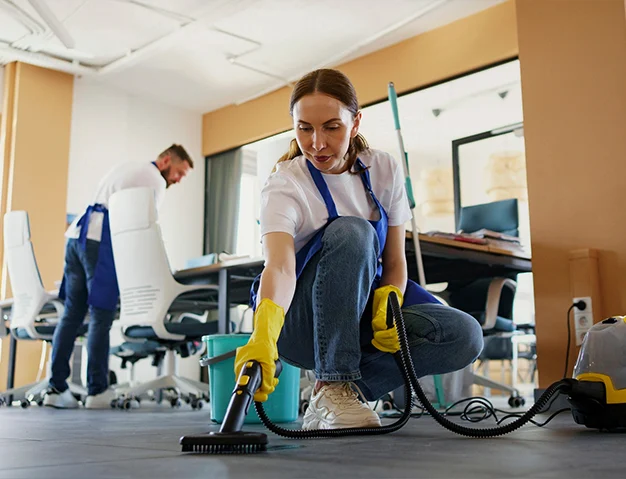
After the last guest leaves, cleaners engage in deep cleaning under time pressure. Tasks include full rubbish removal with proper disposal including recyclables, deep vacuuming and mopping including under furniture, treating stains on carpets or upholstery from spills, deep cleaning and restocking bathrooms, wiping walls or skirting boards where scuffs occurred, sanitizing touch points especially after large crowds, conducting a final walkthrough to ensure nothing is missed, and restoring room layouts or handling leftover packing debris as needed.
How is staffing and timing planned for event cleaning services?
Staffing levels are determined based on guest count, venue size, event type, and expected messiness—for example a seated dinner versus a cocktail party require different approaches. Timing is carefully scheduled around event access times to avoid disruptions like loud vacuuming during speeches. Cleaners plan their movements with flexibility to adapt to live changes in the event flow while coordinating equipment use and supply storage so they remain unobtrusive throughout all phases of the event.
What should organisers look for when hiring an event cleaning service?
Organisers should choose teams experienced specifically with events rather than general commercial cleaning. Key checks include whether they offer comprehensive coverage before, during, and after the event; their ability to handle waste removal legally; if they bring their own supplies and equipment; confirmation of public liability insurance; understanding of venue rules and access requirements; and assignment of a supervisor or point of contact during the event. Clear explanation of their cleaning process also indicates professionalism.
What defines good event cleaning in practice?
Good event cleaning is seamless—guests never notice messes because they are promptly addressed. Bathrooms stay fresh, bins don’t overflow, floors remain non-sticky. Hosts can relax knowing cleanup is managed professionally. The venue can quickly reset without surprises or damage. Essentially it’s quiet work done in phases—before, during, and after—that keeps everything running smoothly even as the event itself gets lively.