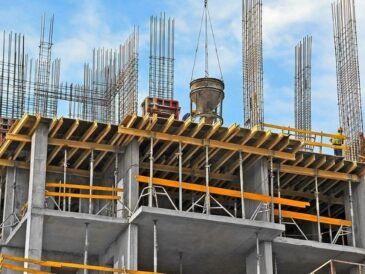

What is Formply and why is it essential for commercial construction?
Formply is a specialized engineered plywood designed specifically for concrete formwork applications in commercial construction. This high-performance material serves as the temporary mold or framework that holds wet concrete in place until it cures and achieves its required strength.
Understanding Formply’s Composition
The construction of Formply Australia sets it apart from standard plywood products. The material consists of multiple layers of high-density hardwood veneers bonded together using phenolic resin adhesive. This composition creates a rigid, stable panel capable of withstanding significant structural loads.
Each veneer layer is carefully oriented and pressed together under high temperature and pressure. The phenolic resin adhesive forms an incredibly strong bond between layers, creating a unified panel that resists separation even under extreme conditions. The outer surfaces receive an additional phenolic resin film coating, providing a smooth, sealed finish that enhances the material’s protective properties.
The Primary Purpose in Concrete Formwork
What is Formply’s main function? It creates the temporary structure that shapes and supports concrete during the pouring and curing process. When contractors need to form concrete walls, columns, slabs, or foundations, Formply panels provide the rigid framework that determines the final concrete shape.
The material must remain perfectly stable while supporting thousands of kilograms of wet concrete. During the curing period, which can last several days, the formwork experiences continuous pressure from the concrete’s weight and chemical reactions. Formply maintains its dimensional stability throughout this demanding process, ensuring the concrete structure forms correctly without bulging, warping, or collapsing.
Why Strength and Durability Matter in Commercial Projects
Commercial construction projects operate under tight deadlines and strict budget constraints. The strength and durability of formwork materials directly impact project timelines, costs, and safety outcomes.
Load-Bearing Requirements
Commercial concrete pours often involve substantial volumes and heights. A single wall pour might involve several meters of vertical concrete, creating immense lateral pressure on the formwork. Weak or inadequate formwork can:
- Bow outward under pressure, creating uneven concrete surfaces
- Collapse during pouring, causing dangerous worksite conditions
- Require excessive bracing and support structures, increasing labor costs
How does Formply ensure high durability and strength?
Formply’s durability comes from its specially designed construction using high-density hardwood veneers made from Australian eucalyptus species. These hardwood veneers have natural strength qualities that are much greater than those of softwood options, providing a strong foundation for carrying heavy loads.
1. Cross-Laminated Layers for Enhanced Strength
The manufacturing process starts with carefully chosen hardwood veneers arranged in layers that cross each other. Each layer of veneer is placed with its grain running perpendicular to the adjacent layers, which helps distribute stress evenly across the panel. This cross-grain arrangement prevents the plywood from splitting or cracking under the intense pressure applied during concrete pouring operations.
2. The Power of Phenolic Resin Adhesive
Phenolic resin adhesive is the key component that holds the individual veneers together and forms a strong plywood panel. Unlike regular wood glues or urea-formaldehyde adhesives used in traditional plywood, phenolic resin creates a permanent chemical bond between layers. This adhesive hardens through a process involving heat and pressure, resulting in bonds that actually become stronger over time instead of deteriorating.
The Advantages of Phenolic Resin Adhesive
The phenolic resin adhesive offers three significant benefits:
- Waterproof bonding: It ensures that the bond remains intact even when exposed to water or concrete slurry.
- Heat resistance: It prevents delamination in hot weather conditions or when concrete generates heat during curing.
- Chemical resistance: It protects against alkaline concrete mixtures and construction site chemicals.
This adhesive penetrates deep into the wood fibers, creating both mechanical and chemical interlocking that resists separation even under extreme stress. As a result, we have a composite material where the bond between layers often proves stronger than the wood itself.
3. Dimensional Stability Under Challenging Conditions
The combination of hardwood veneers and phenolic resin adhesive directly affects how well Formply maintains its shape and size. Commercial construction projects require materials that can withstand moisture, temperature changes, and repeated loading cycles without warping or deforming. Formply’s specially designed structure resists the natural tendency of wood to expand or contract.
When concrete is poured against Formply panels, the formwork experiences significant hydrostatic pressure—sometimes exceeding the limits of conventional materials. However, thanks to its unique construction and material properties, Formply can withstand these challenges while maintaining dimensional stability.
Moreover, studies suggest that the use of phenolic resin in plywood production not only enhances its strength but also contributes to its overall performance in demanding environments.
Why is moisture resistance critical for Formply in construction?
Moisture resistance determines whether formwork survives the concrete curing process intact. Concrete releases significant amounts of water during pouring and curing, creating a saturated environment that can destroy standard plywood within a single use. Waterproof plywood like Formply protects construction timelines and budgets by maintaining structural integrity throughout repeated wet-dry cycles.
The Phenolic Resin Film Coating System
Formply features a specialized phenolic resin film coating applied to both faces of the plywood panel. This industrial-grade coating creates an impermeable barrier between the wood substrate and external moisture. The coating thickness typically ranges from 120 to 180 grams per square meter, providing substantial protection without adding excessive weight.
The sealed edges represent an equally critical component of the moisture protection system. Standard plywood fails primarily through edge absorption, where exposed wood fibers act like wicks drawing moisture into the panel core. Formply manufacturers seal all four edges during production, eliminating this vulnerability point. Contractors must reseal any cut edges on-site to maintain this protective barrier.
Protection Against Multiple Environmental Threats
Moisture-resistant formwork faces more than just water exposure during typical construction applications. The phenolic coating shields panels from:
- Chemical attack from concrete additives, accelerators, and curing compounds that can degrade unprotected wood fibers
- Alkaline exposure from cement paste with pH levels reaching 12-13, which breaks down organic materials
- Physical abrasion during panel handling, concrete vibration, and formwork stripping operations
- UV degradation when panels remain exposed between pours or during storage
The phenolic coating benefits extend to temperature resistance as well. Concrete generates heat during the curing process through exothermic reactions, with temperatures sometimes exceeding 70°C in mass concrete pours. The phenolic resin maintains its protective properties across this temperature range, preventing thermal degradation of the bond between coating and substrate. Check out more about phenol.
Preventing Structural Failure During Curing
Warping represents one of the most expensive failures in concrete formwork. When moisture penetrates standard plywood, differential swelling occurs between the wet face and drier back face. This uneven expansion can cause the panel to bow or twist, compromising its ability to hold shape and resulting in costly rework or replacement.
Formply’s moisture resistance mitigates this risk by minimizing moisture ingress during the curing process. The sealed edges and durable phenolic coating work together to create a stable environment for the plywood, reducing the likelihood of warping and ensuring consistent concrete finishes.
In summary, moisture resistance is critical for Formply in construction due to its role in protecting formwork from damage caused by water exposure during concrete pouring and curing. The specialized phenolic resin film coating system, sealed edges, and ability to withstand various environmental threats contribute to Formply’s performance as a reliable waterproof plywood solution for construction projects.
What are the advantages of the smooth surface finish provided by Formply?
The phenolic coated surface of Formply delivers an exceptionally smooth finish that directly transfers to the concrete, eliminating surface imperfections and creating architectural-grade results. This smooth surface plywood produces concrete with minimal blemishes, air pockets, or texture variations that typically require extensive remediation work.
Direct Impact on Concrete Finish Quality
The phenolic resin coating creates a non-porous barrier between the formwork and wet concrete. When contractors pour concrete against this surface, the mixture cannot penetrate the plywood’s structure, resulting in a uniform, glass-like finish on the cured concrete. Traditional untreated plywood absorbs moisture from the concrete mix, creating rough patches, discoloration, and an inconsistent surface texture that demands significant post-pour correction.
Formply Australia: Durable and Cost-Effective Solutions for Commercial Construction relies heavily on this surface technology to meet modern architectural specifications. The smooth phenolic layer prevents concrete paste from adhering to the formwork, which means panels release cleanly without damaging the concrete surface or leaving residue that mars the appearance.

Reduced Finishing Requirements
Projects using Formply experience dramatic reductions in post-pour finishing work:
- Grinding and sanding requirements decrease by 60-80% compared to standard formwork materials
- Patching of surface voids becomes minimal due to the air-tight seal between concrete and formwork
- Cleaning time reduces significantly as the smooth surface prevents concrete buildup
- Paint or coating applications proceed directly without extensive surface preparation
Commercial buildings with exposed concrete features particularly benefit from this characteristic. Architectural concrete walls, columns, and structural elements emerge from Formply formwork ready for sealing or finishing treatments without the labor-intensive grinding, patching, and smoothing steps required with conventional formwork.
Efficiency Gains for Contractors
The concrete finish quality achieved with smooth surface plywood translates to measurable project efficiencies. Contractors complete formwork cycles faster because stripping panels from cured concrete requires less force and causes no surface damage. The clean release means crews spend less time inspecting and repairing concrete surfaces before moving to subsequent construction phases.
Labor allocation shifts dramatically
How does using Formply translate to cost-effectiveness in commercial projects?
Formply delivers exceptional value by maintaining structural integrity through 20-50 uses depending on handling and project conditions, making it one of the most cost-effective construction materials available. Traditional plywood typically deteriorates after 5-10 uses, requiring frequent replacement that drives up material procurement costs and generates substantial waste disposal expenses.
The phenolic resin coating and high-density hardwood construction enable this reusable formwork plywood to withstand repeated concrete pours without significant degradation. Each additional use cycle distributes the initial investment across more applications, dramatically lowering the per-use cost. A contractor purchasing Formply at $80-120 per sheet can achieve a per-use cost of $2-6 when reused 20 times, compared to $15-20 per use for standard plywood replaced every 5 cycles.
Material Cost Reduction Through Extended Lifespan
Reducing material costs becomes tangible when comparing lifecycle expenses across large commercial projects. A mid-sized commercial building requiring 500 sheets of formwork demonstrates the financial impact:
- Formply investment: 500 sheets × $100 = $50,000 (usable for 3-4 projects)
- Traditional plywood: 500 sheets × $60 = $30,000 per project (replacement needed each time)
- Three-project comparison: $50,000 vs $90,000 in traditional materials
The $40,000 savings across three projects represents a 44% reduction in formwork material expenses. This calculation excludes additional savings from reduced labor hours spent replacing damaged sheets, fewer delivery charges, and decreased waste removal fees.
Labor and Time Efficiency Gains
Contractors managing tight budgets benefit from reduced labor allocation for formwork preparation and maintenance. Formply’s dimensional stability means sheets remain flat and true through multiple uses, eliminating time spent sorting through warped or delaminated panels. Workers spend less time inspecting, repairing, or replacing compromised formwork between pours.
The smooth phenolic surface requires minimal preparation between uses—a quick cleaning removes concrete residue without aggressive scraping that damages traditional plywood. This streamlined process reduces crew hours dedicated to formwork setup and increases overall productivity on site.
Which Australian standards does Formply comply with and why is this important?
Formply products manufactured for the Australian market must comply with AS 6669, the national standard for structural plywood used in formwork applications. This standard specifies minimum requirements for strength, durability, moisture resistance, and dimensional stability that formwork plywood must meet to ensure safe and reliable performance on construction sites.
Structural Formply F17 standards represent one of the most commonly specified grades in commercial construction. The F-rating system indicates the characteristic strength of the plywood, with F17 denoting a material capable of withstanding significant structural loads during concrete pouring and curing. Products meeting this standard have undergone rigorous testing to verify their load-bearing capacity, bond integrity, and resistance to delamination under stress.
Understanding the AS 6669 Compliance Framework
The AS 6669 standard establishes comprehensive testing protocols that manufacturers must follow. These tests evaluate multiple performance characteristics:
- Bending strength to ensure the plywood can support wet concrete loads without excessive deflection
- Bond quality between veneer layers to prevent delamination during repeated use
- Moisture resistance to verify the phenolic coating provides adequate protection
- Dimensional stability to confirm the material maintains its shape under varying conditions
Products bearing the AS 6669 certification mark have passed all required tests conducted by independent testing facilities. This third-party verification removes guesswork from material selection and provides documented proof of performance capabilities.
Safety Implications for Commercial Construction
Safety regulations construction materials must meet on Australian job sites are stringent for good reason. Formwork failure during concrete pouring poses severe risks to workers and can cause catastrophic structural damage. Non-compliant plywood may appear similar to certified products but lacks the engineering properties needed to safely contain concrete under pressure.
Certified Formply prevents several common formwork failures:
- Blowouts caused by inadequate bending strength
- Sudden collapse from delamination between veneer layers
- Surface deterioration leading to poor concrete finishes and potential rework
- Premature failure reducing the number of possible reuses
Building inspectors and project managers require documentation proving formwork materials meet Australian standards. Using non-certified products can result in
Common Uses of Formply in Commercial Construction
Formply is widely used in various concrete forming applications in commercial construction throughout Australia. It is the preferred choice for creating molds for foundations, walls, columns, and slabs, delivering reliable results regardless of the project’s size or complexity.
1. Foundation Formwork Applications
One of the most demanding uses of Formply products is in foundation formwork. The material is used to create molds for concrete footings, strip foundations, and raft slabs that support commercial structures. During foundation work, Formply comes into direct contact with soil moisture, concrete alkalinity, and significant hydrostatic pressure from freshly poured concrete. The phenolic coating on Formply prevents moisture absorption from the ground while ensuring precise dimensions critical for level foundations. It is essential for various types of foundations such as strip footings for load-bearing walls, pad footings for columns, and stepped foundations on sloping sites to rely on Formply’s ability to maintain shape under pressure.
2. Wall Formwork Systems
Vertical wall formwork requires different performance characteristics compared to horizontal applications. Formply panels are used to create temporary molds for concrete walls in multi-storey buildings, basement structures, retaining walls, and lift shaft core walls. The material is designed to withstand the lateral pressure exerted by wet concrete while preventing bulging or deflection that could compromise wall straightness. Commercial projects such as office buildings, shopping centers, and apartment complexes utilize Formply for both internal partition walls and external structural walls. The smooth phenolic surface of the panels results in walls that require minimal remedial work, thereby reducing labor costs in later construction stages.
3. Column Formwork Solutions
Column formwork requires precise cutting of Formply to create square, rectangular, or custom-shaped concrete columns. This material is used to form vertical supports that transfer loads from upper floors to foundations in commercial structures. When it comes to tall and slender concrete elements like columns, column formwork made with Formply can effectively handle concentrated loads and pressures. Contractors value the versatility of this material as it can be fabricated into reusable column boxes or gang forms, which significantly speeds up construction on projects with repetitive column layouts. Additionally, the dimensional stability of Formply ensures that columns maintain their specified cross-sectional dimensions throughout the pouring and curing process.
4. Slab Formwork and Soffit Applications
Slab formwork represents the largest surface area application for Formply in most commercial projects. This material is used to create horizontal molds for suspended slabs and soffits (the underside of a slab).
What grades of Formply are available to suit different project needs?
Formply grades F11, F14, F17, and F27 in Australia have specific performance features designed for various construction requirements. Each grade represents the plywood’s stress rating in megapascals (MPa), showing its strength and suitability for different load-bearing tasks.
Understanding the Formply Grading System
The grading system helps contractors choose the right materials by providing clear specifications. The number indicates the plywood’s bending strength, with higher numbers meaning greater load-bearing ability. This standardized method makes it easier to select materials while ensuring structural integrity in various applications.
F11 Formply: Light-Duty Applications
F11 is the entry-level grade with an 11 MPa stress rating. It’s suitable for lighter formwork applications where concrete loads are minimal. Residential projects, small renovations, and non-structural concrete work often use F11 because it performs adequately at a lower cost. Its lower density makes it easier for smaller crews to handle while still providing enough strength for basic concrete forming tasks.
F14 Formply: Standard Commercial Projects
F14 grade has a 14 MPa stress rating, making it a versatile option in between. This grade can handle moderate concrete pressures typically found in standard commercial construction. Projects like retail developments, office buildings, and medium-rise structures benefit from F14’s balanced performance. Compared to F11, this grade offers better stiffness, reducing deflection during concrete pours and resulting in smoother finished surfaces.
F17 Formply: Heavy-Duty Construction
F17 is the most commonly specified grade for demanding commercial projects in Australia. With a 17 MPa stress rating, it can withstand significant concrete pressures and repeated use cycles. High-rise buildings, infrastructure projects, and large-scale commercial developments rely on F17’s superior strength features. The improved durability extends the material’s lifespan, allowing contractors to reuse panels across multiple projects without compromising structural performance.
Key advantages of F17 include:
- Enhanced load-bearing capacity for tall wall formwork and deep foundation pours
- Superior dimensional stability maintaining flatness under heavy concrete loads
- Extended reusability delivering up to multiple uses across various projects without loss of structural integrity
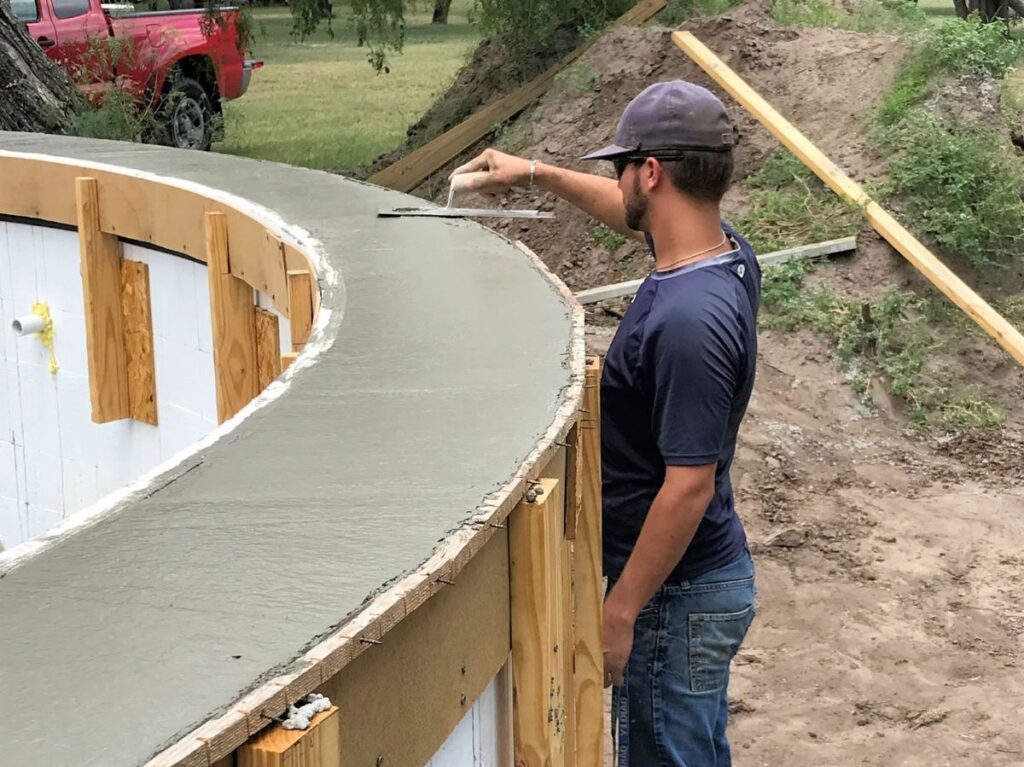
How can contractors maximize the lifespan and performance of Formply products?
Installing Formply correctly and maintaining it properly can extend its usable life from 20-30 pours to 50 or more cycles. The investment in proper care practices delivers substantial cost savings by maximizing reusability while maintaining the structural integrity that makes Formply Australia: Durable and Cost-Effective Solutions for Commercial Construction a preferred choice.
Sealing Cut Edges Immediately
Cut edges expose the internal veneer layers to moisture penetration, creating weak points that compromise the panel’s waterproof properties. Applying a quality edge sealant within hours of cutting creates a protective barrier against water ingress. Contractors should use phenolic-based sealants or specialized formwork edge sealers that match the panel’s original coating chemistry. This simple step prevents delamination and extends panel life by 30-40% in typical conditions.
Selecting Appropriate Fastening Systems
The fastener type directly impacts both installation security and panel longevity. Screws provide superior holding power compared to nails and allow for easier dismantling without damaging the phenolic surface. Contractors should use:
- Galvanized or stainless steel screws to prevent rust staining on concrete surfaces
- Countersunk heads that sit flush with the panel surface
- Pre-drilling pilot holes in hardwood veneers to prevent splitting
- Spacing fasteners 150-200mm apart along panel edges for adequate support
Avoid over-tightening fasteners, which can crush the phenolic coating and create moisture entry points.
Providing Structural Support During Concrete Pours
Inadequate bracing causes deflection that stresses panels beyond their design limits. Support systems must account for the substantial hydrostatic pressure generated by wet concrete. Install walers at maximum 600mm vertical spacing for wall forms and provide props at 900mm intervals for horizontal applications. This prevents bowing that creates surface irregularities in finished concrete and reduces stress fatigue in the plywood structure.
More to Read : LVL Formwork: Strength, Load Capacity and Performance Benefits for Builders