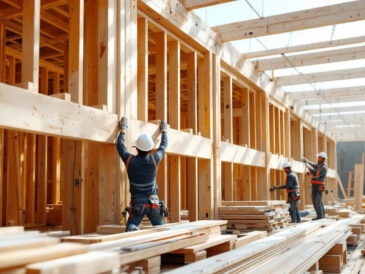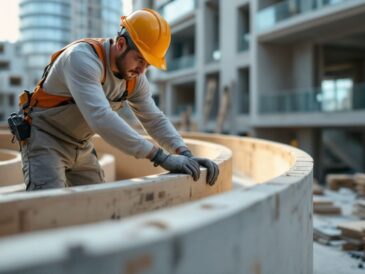
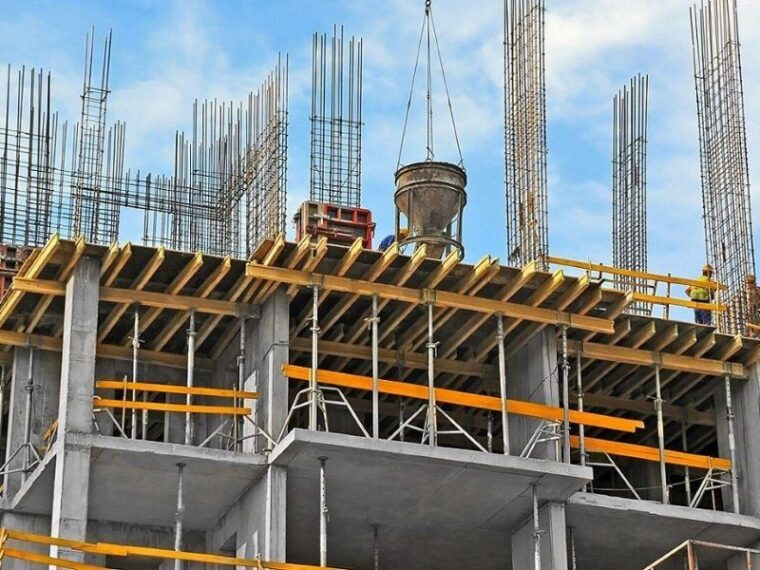
What is LVL Formwork and Why is it Important in Modern Construction?
LVL formwork is an engineered wood product created by bonding multiple thin wood veneers together using high-strength adhesivAn LVL beam is manufactured under controlled heat and pressure, using laminated veneer lumber to transform raw timber into a uniform, predictable construction material. This engineered process removes many of the natural defects found in traditional solid wood, resulting in a product with consistent strength and reliability.
The importance of LVL beam formwork in modern construction lies in its ability to meet the high demands of today’s building projects. Builders and engineers rely on LVL beams for:
• Predictable structural performance with consistent strength across every piece
• Superior load-bearing capacity to support heavy concrete pours with minimal deflection
• Excellent dimensional stability that maintains accuracy throughout construction
• Reduced material waste due to efficient, engineered manufacturing processes
The engineered nature of an LVL beam addresses critical challenges in construction, where safety, precision, timelines, and cost efficiency are essential. Its uniform composition allows engineers to calculate loads accurately, while its resistance to warping and twisting ensures formwork retains its shape even under demanding site conditions.
How Does the Manufacturing Process of LVL Contribute to Its Strength and Performance?
The manufacturing process directly determines LVL strength through controlled layering and adhesive bonding. Manufacturers rotate and stack thin wood veneers with grains running parallel, then bond them using high-strength adhesives under temperatures reaching 140-180°C and pressures of 1.0-1.4 MPa.
This heat and pressure application achieves timber defects elimination by distributing natural imperfections like knots, splits, and grain irregularities across multiple layers. Where a single knot might compromise a solid timber beam’s integrity, the same defect becomes negligible when dispersed through 20-30 veneer layers. The result is a homogeneous material with predictable mechanical properties.
Laminated veneer lumber strength stems from this uniformity—each sheet maintains consistent density between 550-700 kg/m³ throughout its entire length. The adhesive penetration creates molecular bonds stronger than the wood fibers themselves, preventing delamination under stress. This controlled manufacturing environment produces material with strength values engineers can calculate precisely, eliminating the guesswork associated with natural timber’s variable grain patterns and hidden defects.
Furthermore, the mechanical performance of LVL is significantly enhanced due to the manufacturing process. The precise control over the layering and bonding not only improves strength but also optimizes performance characteristics such as durability and resistance to environmental factors, making LVL an ideal choice for various construction applications.
Why LVL Formwork is the Best Choice for Load-Bearing Applications
LVL load capacity outperforms traditional timber by delivering up to 50% higher load-bearing strength, making it the preferred choice for demanding structural applications. This engineered material can handle concrete loads of approximately 6,500 kg/m² while spanning distances up to 6 meters without intermediate supports—capabilities that conventional timber simply cannot match.
The layered construction of load-bearing formwork creates exceptional dimensional stability under pressure. Where traditional timber beams often warp, twist, or bow under heavy concrete loads, LVL maintains its shape and alignment throughout the pouring process. This structural performance stems from the aligned wood fibers running consistently through each veneer layer, distributing forces evenly across the entire beam.
Builders gain precise load capacity and performance benefits through predictable strength characteristics. The uniform density eliminates the guesswork associated with natural timber defects, allowing engineers to calculate exact load requirements without adding excessive safety margins. This precision reduces material waste while maintaining structural integrity across multi-story projects and large-span applications. You may like to visit https://triciaclarke.com/formply-australia-durable-and-cost-effective-solutions-for-commercial-construction/ to get more about durable and cost-effective solutions for commercial construction.
How Does LVL Formwork Enhance Construction Efficiency and Labor Productivity?
LVL formwork delivers 40% faster assembly times compared to traditional timber systems, directly translating to accelerated project schedules. The precision-engineered dimensions eliminate the need for extensive on-site cutting and adjustments that typically slow down construction crews.
Labor efficiency in construction improves significantly with LVL performance benefits becoming evident through reduced workforce requirements. Projects experience approximately 25% fewer labor hours when using LVL formwork systems, as workers spend less time measuring, cutting, and fitting components. The consistent dimensions and lightweight nature of LVL panels allow single workers to handle pieces that would typically require two people with heavier materials.
The faster assembly formwork capability extends beyond simple time savings. Crews can complete formwork installation in a single shift that might otherwise require multiple days with conventional methods. This efficiency compounds across large-scale projects, where:
- Reduced on-site modifications minimize material waste
- Standardized components simplify training for new workers
- Predictable handling characteristics decrease installation errors
- Fewer support structures required means less assembly complexity
These advantages are part of a broader trend in the construction industry towards higher productivity and efficiency. Moreover, the adoption of modular construction techniques is also contributing to this productivity revolution while promoting circularity in the sector.
Why Is Durability a Key Advantage of Using LVL Formwork in Building Projects?
The durability of LVL formwork comes from its specially designed structure that can handle environmental pressures much better than traditional materials. Unlike regular wood that quickly rots when it comes into contact with water, LVL formwork stays strong and intact even after being used multiple times for construction.
How LVL Formwork Overcomes Common Issues with Traditional Materials
Moisture-resistant wood formwork capabilities prevent the common problems that often affect standard plywood and timber systems:
- Surface checking: (small cracks that develop on material surfaces) remains minimal even after multiple concrete pours
- Edge wear: occurs at significantly slower rates, preserving dimensional accuracy across 15 to 25 reuse cycles
- UV resistance: protects the material during outdoor storage between projects
The layered veneer construction creates a barrier against water penetration that would typically cause swelling, warping, or delamination. This moisture-resistant property proves particularly valuable in areas with high humidity or when formwork has to stay on-site through different weather conditions. Builders say that LVL panels keep their smooth surface finish for a longer time, reducing the need for surface treatments or replacements that disrupt project schedules. Read more about water efficiency.
What Are the Environmental Benefits of Choosing LVL Formwork?
Sustainable construction materials like LVL formwork maximize timber resource utilization by processing smaller diameter logs that would otherwise go unused in traditional lumber production. This manufacturing approach produces approximately 90% less waste compared to solid wood products, making it one of the most efficient engineered wood options available.
The environmental benefits of LVL extend beyond waste reduction. LVL carries a significantly lower carbon footprint than steel alternatives, with an embodied energy of just 11 MJ/kg versus steel’s 32 MJ/kg. The production process requires less energy while the material continues to store carbon absorbed during tree growth, effectively acting as a carbon sink throughout its service life.
Leading LVL manufacturers typically hold sustainability certifications including:
- FSC (Forest Stewardship Council)
- PEFC (Programme for the Endorsement of Forest Certification)
- SFI (Sustainable Forestry Initiative)
These certifications verify responsible forest management practices and ensure the timber comes from renewable sources. The extended reusability of LVL formwork—15 to 25 cycles compared to plywood’s 8 to 12—means fewer replacement materials enter the waste stream over a project’s lifetime.
How Do the Cost Implications of LVL Formwork Compare to Traditional Options?
LVL formwork typically costs 15-40% more than traditional timber beams or plywood upfront. This initial investment pays dividends through extended service life and reduced operational expenses.
The cost-effectiveness of LVL formwork becomes apparent when considering reusability—15 to 25 cycles compared to plywood’s 8 to 12 uses. This durability translates to lower replacement frequency and reduced material procurement costs over multiple projects.
Labor savings significantly offset the higher purchase price. Builders experience approximately 25% fewer labor hours due to minimal on-site modifications and faster assembly. The material requires 40% fewer support beams, cutting both material and installation expenses.
When evaluating LVL Formwork: Strength, Load Capacity and Performance Benefits for Builders, the total cost of ownership reveals substantial savings. Reduced concrete wastage from minimal deflection, decreased maintenance requirements, and fewer safety incidents contribute to a compelling financial case that extends well beyond the initial price tag.