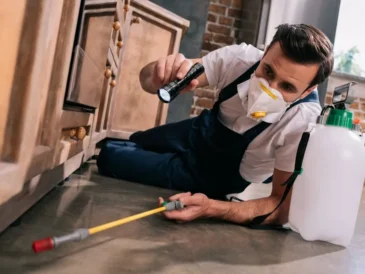

Permanent results come from a complete rodent control approach: removing current rats, stopping new ones getting in, and monitoring long enough to confirm the problem is actually solved.
What Methods Do Rat Exterminators in Sydney Use to Eliminate Rats?
Rat exterminators Sydney eliminate rats by combining inspection-led treatment with proofing and follow-up, not by relying on one-off baiting. The goal is to remove active rodents quickly while reducing the conditions that let them thrive.
Inspection first, not guesswork
A professional service usually starts with a detailed inspection inside and outside the property. This identifies the species (roof rat vs Norway rat), active runways, nesting areas, food and water sources, and likely entry points. For businesses, the inspection often includes bin zones, storage areas, plant rooms, ceiling voids, loading points and grease areas.
Targeted baiting and trapping
Once activity is mapped, exterminators may use a mix of:
- Tamper-resistant bait stations in safe, strategic positions
- Snap traps or enclosed traps where baiting is unsuitable
- Targeted placement along runways, wall edges and known harbourage
The emphasis is on correct placement, correct product choice, and correct quantities. This matters in Sydney homes with children and pets, so child- and pet-friendly options are typically prioritised where possible, with clear safety guidance.
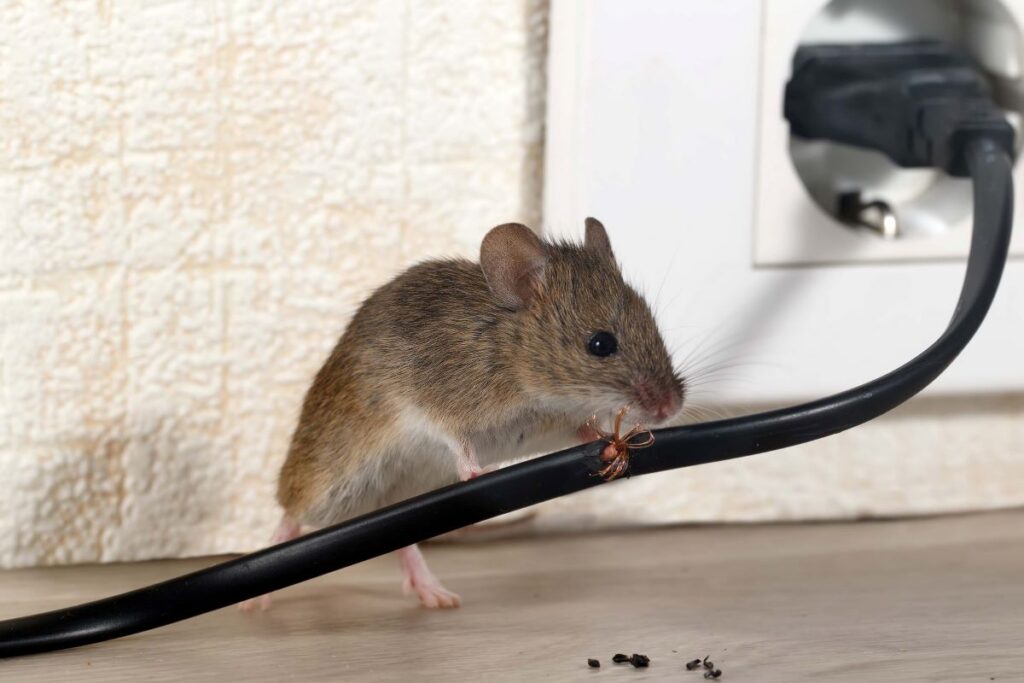
Sanitation and environmental recommendations
Good rodent control Sydney services normally include practical advice, because rats “live off what the property provides”. This can include:
- Securing food in sealed containers
- Tightening waste handling and bin hygiene
- Removing clutter, cardboard piles, and overgrown vegetation
- Reducing water sources, leaks, and pet food access overnight
Documentation and compliance
Reputable operators work to consistent pest control standards and provide clear reporting. That can mean activity notes, bait station records, safety information, and recommendations for proofing, which is especially important for commercial clients needing audit-friendly documentation.
Why Do Rats Keep Coming Back to Some Sydney Homes?
Rats keep coming back when the original conditions stay the same: easy entry, reliable food and water, and safe nesting areas. In other words, rats do not “return” to a solved problem; they return to a still-attractive property.
Sydney-specific factors that increase pressure
Sydney has several local drivers that can make recurrence more likely:
- Dense neighbourhoods where rodents move between properties
- Older housing stock with ageing rooflines, subfloors and wall gaps
- Renovations that open voids or leave new penetrations unsealed
- Nearby construction that disturbs nests and pushes rodents to new shelter
Even a well-kept home can be affected if activity increases in the street or the block.
DIY treatment often misses the real cause
DIY baiting and random trap placement frequently reduce sightings temporarily but fail to break the cycle. Common issues include under-dosing baits, placing traps away from runways, not doing follow-up checks, and leaving entry points open. If rats can still access roof voids or subfloors, the infestation can rebuild quickly.
Seasonal changes can drive new activity
Colder or wetter periods often push rodents indoors, which is why rodent control Sydney call-outs commonly rise when conditions change. A property that seemed “fine” in warmer months may show activity when rats seek warmth and stable food sources.
Neighbouring properties can re-seed infestations
Terraces, semis, flats, and homes with connected rooflines create shared access routes. Vacant lots, poorly maintained bins, or unmanaged harbourage next door can also keep pressure high. This is where a property-wide plan, and sometimes a conversation with neighbours or strata, makes prevention more realistic.
How Do Rat Exterminators in Sydney Prevent Future Infestations?
Rat exterminators prevent future infestations through exclusion (proofing), targeted treatments, and monitoring over time. Permanent outcomes are usually achieved by closing access points and keeping the property less attractive, not by ongoing bait alone.
The professional prevention pathway
Most high-standard services follow a clear process:
- Inspection to confirm activity, hotspots, and entry routes
- Customised plan based on property type and risk level
- Targeted treatments using the safest effective method
- Sealing entry points (proofing) to stop re-entry
- Follow-up inspections to confirm activity has ceased
This is the difference between “we reduced it” and “we solved it”.
Proofing work that actually matters
Proofing often includes sealing gaps around pipes, repairing vents, fitting mesh, addressing eaves and fascia gaps, and reducing roof access via trees or structures. For some properties, subfloor access and retaining wall voids are equally important.
If proofing is incomplete, treatment becomes a loop. If proofing is thorough, treatment becomes a finish.
Tailored packages for homes and businesses
A unit may need targeted roof void monitoring and shared wall checks, while a freestanding home may need perimeter proofing and subfloor sealing. Retail and hospitality typically need ongoing monitoring around bins, deliveries, storage and grease-prone areas. Client-specific plans also help align with different budgets without compromising core safety and effectiveness.
Timeliness helps, but follow-up locks it in
Same-day availability can reduce damage, contamination and breeding, especially when activity is active and visible. But follow-up is what confirms success, adjusts placements, and checks proofing integrity after weather or building movement.
Signs the plan is working
A prevention plan is usually working when you see:
- No fresh droppings or smear marks
- No new gnawing
- No noises in roof voids or walls
- Stable monitoring results over several weeks, with no new bait take or trap activity
Where Do Rats Usually Enter Homes in Sydney?
Rats usually enter through small gaps along rooflines, subfloors, vents and service penetrations, and they can squeeze through surprisingly tight spaces. Identifying and mapping these entry points is a core part of a professional inspection.
Roofline entry points (common for roof rats)
In Sydney, roof rats often access homes via:
- Broken or shifted tiles
- Gaps in eaves and fascia boards
- Roof vents without suitable mesh
- Openings near gutters and downpipes
- Tree branches that bridge to the roof and create a “rat highway”
Once in the roof void, they can travel widely and drop into wall cavities.
Ground-level and external structure access
Rats may also enter through:
- Subfloor vents and gaps around pipes
- Garage corners, under doors, and damaged weather seals
- Sheds, pergolas, decks and raised garden beds that create harbourage
- Retaining walls and cluttered side passages that hide movement
These areas matter because they give rats cover while they explore for entry points.
Commercial entry points and high-risk zones
For businesses, entry often happens around:
- Loading docks and delivery doors
- Storeroom roller doors with worn seals
- Bin areas and waste rooms
- Grease traps and washdown zones
Commercial rodent control Sydney plans usually focus heavily on these pressure points because they are consistent attractants.
How exterminators confirm the entry routes
Professionals verify entry points using evidence, not assumptions. That can include rub marks, droppings, gnawing, footprints, night-time checks, and sometimes tracking dust or monitoring devices to confirm exact movement paths.
See Also : 2026 Pest Control Guide for Penrith Homes and Businesses
How Long Does Professional Rat Removal Take in Sydney?
Professional rat removal is often quick to start but takes time to confirm, because prevention and monitoring are part of the job. Timelines depend on infestation severity, property size, and how many entry points need sealing.
A realistic timeline for most properties
In many cases, you can expect:
- Same-day inspection and initial treatment (where available)
- 1–2 weeks for activity to drop noticeably, assuming placements are correct and conditions are addressed
- Follow-up visit(s) to confirm no ongoing activity and to adjust treatment or proofing if needed
Severe infestations, complex roof access, or shared-building issues can extend this.
What “done” looks like in practice
A professional will usually consider the job complete when there are:
- No fresh droppings or gnawing
- No sounds or sightings
- No bait take over a defined period (where bait is used)
- Entry points sealed and holding up under normal conditions
Why follow-up is part of permanent removal
Follow-up matters because it confirms elimination, catches secondary access points, and checks proofing after weather and movement. This is also where many “permanent” outcomes are decided.
A rat exterminator in Sydney can remove rats permanently, but only when removal is paired with proper exclusion and ongoing vigilance, not a single visit and a box of bait.